|
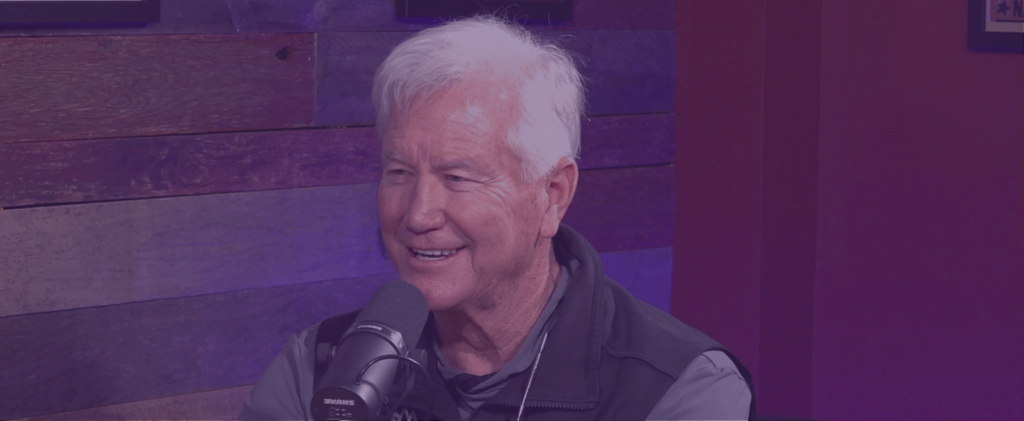
“I was addicted to heroin.”
Heroin is extremely addicting and more difficult than some addictions to overcome, but heroin recovery is possible. Cumberland Heights drug abuse treatment center can help. Trained medical staff members are available 24 hours a day, seven days a week, so we’re here when you’re ready to begin the recovery process from heroin addiction.
Drug abuse treatment centers like Cumberland Heights can assist with both physiological and psychological aspects of heroin addiction treatment, withdrawal and recovery. While physical withdrawal symptoms can abate after about a week of discontinuing heroin use, psychological cravings aren’t as easy to conquer. That’s why it’s important to seek help through an accredited drug abuse treatment center. Heroin addiction rehabilitation and recovery is within reach.
Heroin is derived from morphine, a naturally occurring substance found in the seeds of the poppy plant. Heroin was first developed in 1874 as a pain reliever. In 1914, heroin became a controlled substance under the Harrison Narcotic Act. Heroin is illegal and highly addictive and is considered the most abused opiate.
Heroin comes in many forms. In its pure form, heroin is a white powder with a bitter taste. Heroin bought on the street may range from white to dark brown or black, depending on manufacturing impurities or presence of additives. Most street heroin is “cut” by dealers with other drugs or substances such as sugar, starch, powdered milk or quinine. People buying street heroin risk overdose or death because they don’t know the actual strength of the drug they buy — street heroin has been known to be cut with strychnine or other poisons.
Heroin is snorted, smoked or injected intravenously. Injecting heroin with a needle causes the fastest action — seven or eight seconds — and produces the greatest intensity. Heroin that is smoked or snorted takes effect in 10 to 15 minutes. The fear of catching disease from shared needles has made it more common for people to smoke or snort heroin rather than injecting it.
Heroin causes a feeling or “rush” of euphoria. This feeling is often accompanied by dry mouth, flushed skin and a heavy feeling in the arms and legs. Heroin users may also experience cause nausea, vomiting and severe itching. When the initial effects wear off, heroin commonly causes the user to become drowsy for several hours. Mental function, cardiac function and breathing slow down, sometimes to the point of death.
Heroin can create a strong physical dependence — it is very easy to become addicted to the drug. Addiction to heroin is powerful, often taking over the user’s life so that an addict’s primary focus becomes obtaining more heroin.
Prolonged heroin use is also associated with many serious health problems, including:
• Infectious diseases such as HIV/AIDS and hepatitis B and C (a risk that comes from sharing needles)
• Scarred and/or collapsed veins
• Bacterial infections of the blood vessels and heart valves
• Abscesses (or boils) and other soft tissue infections
• Liver disease
• Kidney disease
• Lung complications, including types of pneumonia and tuberculosis
• Infection of cells in vital organs
• Arthritis or other rheumatologic problems.
Women who use heroin during pregnancy are at risk for miscarriage or premature delivery. Using heroin during pregnancy also increases a child’s risk of SIDS (sudden infant death syndrome).
Stopping heroin use abruptly causes a number of unpleasant withdrawal symptoms. Drug withdrawal, especially from heroin, can cause the user great discomfort. Few people can stop using heroin without going through a heroin recovery and addiction treatment program, which often includes heroin detoxification or detox. Detox is the first step in treating heroin addiction, but detox alone doesn’t cure heroin addiction.
Available heroin addiction treatment options include pharmaceutical therapy with synthetic narcotics that block the effects of heroin, such as methadone. When combined with therapeutic substance abuse rehab programs, these medications can help the heroin addict regain a stable and productive life. Both residential and outpatient programs through a drug abuse treatment center provide a broad base of support for people with heroin addiction. In addition to medically supervised detox, these programs may include:
• family counseling
• group therapy
• 12-step program meetings
• relapse prevention and
• aftercare programs.
Because heroin interferes with self-care, a heroin addict may be very unlikely to seek treatment. For this reason, intervention is often necessary for a person with heroin addiction. Fortunately, a person doesn’t have to seek treatment voluntarily to benefit from heroin rehab. Intervention by friends and family can help a heroin addict face drug addiction while offering the support he or she needs to stop using drugs.
Withdrawal and recovery from heroin addiction is most effectively accomplished under the supervision of a medical professional in a heroin addiction treatment center setting. Staff at heroin rehab centers can assist with physical withdrawal symptoms and intense cravings for the drug, along with associated restlessness, disturbed sleep patterns, abnormal blood pressure and pulse rate, dilated pupils and irritability.
After successful detox and treatment, it’s imperative to continue the lifelong heroin recovery process by attending 12-step meetings and aftercare programs. Cumberland Heights can help you or a loved one begin heroin recovery through our intensive heroin addiction treatment and addiction relapse prevention programs.
|